Vietnam Goes Nationwide With E10 Ethanol Gasoline
- Editor
- Jul 13
- 2 min read
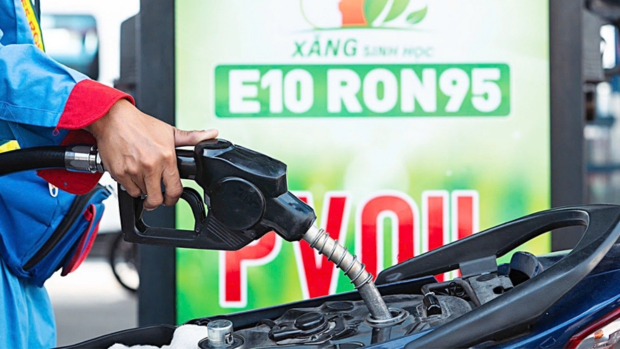
Vietnam has rolled out a nationwide mandate requiring all unleaded gasoline sold in the country to be blended into E10, a 10% ethanol blend, replacing conventional RON95 gasoline. The policy, set out in Circular 50/2025/TT-BCT, extends a blending programme that began with E5 (5% ethanol) in 2018. E5RON92 will continue to be permitted alongside E10 until the end of 2030, mainly to remain compatible with older motorcycles still in use.
The Supply Math Behind the Mandate
Vietnam's gasoline consumption runs at roughly 1 million cubic metres a month, requiring about 100,000 cubic metres of ethanol to hit a 10% blend nationwide. Domestic production currently covers only around 25,000 cubic metres of that each month, with the remainder met through imports. Domestic ethanol plants, including Dung Quat, Tung Lam and Binh Phuoc, are being brought toward fuller capacity to narrow that gap, and blending infrastructure investment across the country's fuel wholesalers now exceeds the volume needed to supply the mandate, according to industry reporting.
Part of a Wider Regional Pattern
Vietnam's move lands alongside Indonesia's B50 biodiesel mandate and a broader pickup in Asian biofuel policy this year, which analysts link partly to Middle East-driven volatility in crude prices pushing governments toward domestic fuel sources. Vietnam frames E10 explicitly around energy security and diversification of fuel sources, alongside its COP26 net-zero commitment, rather than emissions reduction alone.
A Live Debate Worth Naming
Not every industry voice frames this trend as straightforwardly positive. Some environmental groups, including think tank Transport & Environment, have warned that governments leaning further into crop-based biofuels risk pushing up food prices and could carry environmental costs of their own if demand rises sharply. Vietnam's own domestic debate has centred on more practical questions: fuel-supply stability, vehicle compatibility (the government says over 90% of vehicles on the road are E10-compatible without modification), and public communication, rather than the food-versus-fuel argument playing out at the regional and international level.\
Source: Vietnam News Agency, 1 June 2026


Comments