Sinopec Bets on Central Asia for Its First Overseas SAF Plant
- Editor
- Jul 12
- 2 min read
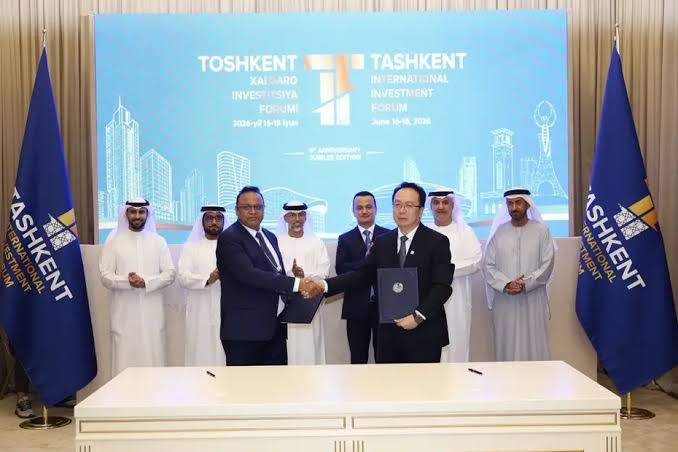
Sinopec Engineering has signed a front-end engineering design contract with Uzbekistan's Allied Biofuels FE LLC to design Central Asia's first large-scale, fully integrated SAF complex. The deal marks Sinopec's refining and engineering arm's first major move into overseas low-carbon and new-energy business.
What the Complex Is Designed to Produce
The facility is designed for an annual capacity of approximately 160,000 tonnes of biomass-based SAF, 250,000 tonnes of e-SAF, and 5,000 tonnes of green diesel, using sorghum, rice husks and straw as primary feedstock, with solar power as its main electricity source. Output is intended to meet aviation demand within Central Asia while also serving export markets in the Middle East and Europe.
A Different Feedstock Model Again
This is the third distinct SAF feedstock pathway this series has covered, after ethanol-to-jet in Singapore and waste-gas conversion at Aster's Pulau Bukom site. Sinopec's Uzbekistan complex combines biomass-based SAF from agricultural residues with e-SAF, synthetic fuel made using captured or atmospheric carbon and renewable hydrogen, in a single integrated facility. Combining both pathways under one project, rather than choosing one, spreads technology risk but also raises execution complexity, since e-SAF production at scale remains commercially unproven relative to biomass-based routes.
Why Uzbekistan, and Why Now
The project builds on a broader Uzbek strategy: government policy incentives, long-term development planning, and links to domestic green hydrogen production and aviation demand, rather than a standalone plant. A Chinese state oil major choosing Central Asia, rather than Southeast Asia, for its first overseas SAF investment is notable in itself, and reflects Uzbekistan's positioning around renewable electricity availability, feedstock access and geographic reach into three separate export markets (Central Asia itself, the Middle East, and Europe) rather than any one of them alone.
Source: Hydrocarbon Processing, 8 July 2026.


Comments